The Impact of Straight Teeth
A beautiful, straight smile can boost your confidence and positively influence your social and professional life. Orthodontic treatment is the original smile makeover, and it’s never too late to benefit from it. Beyond aesthetics, properly aligned teeth improve your ability to bite, chew, and speak clearly. They’re also easier to clean, which helps prevent tooth decay and gum disease.
Request an AppointmentHow Orthodontics Works
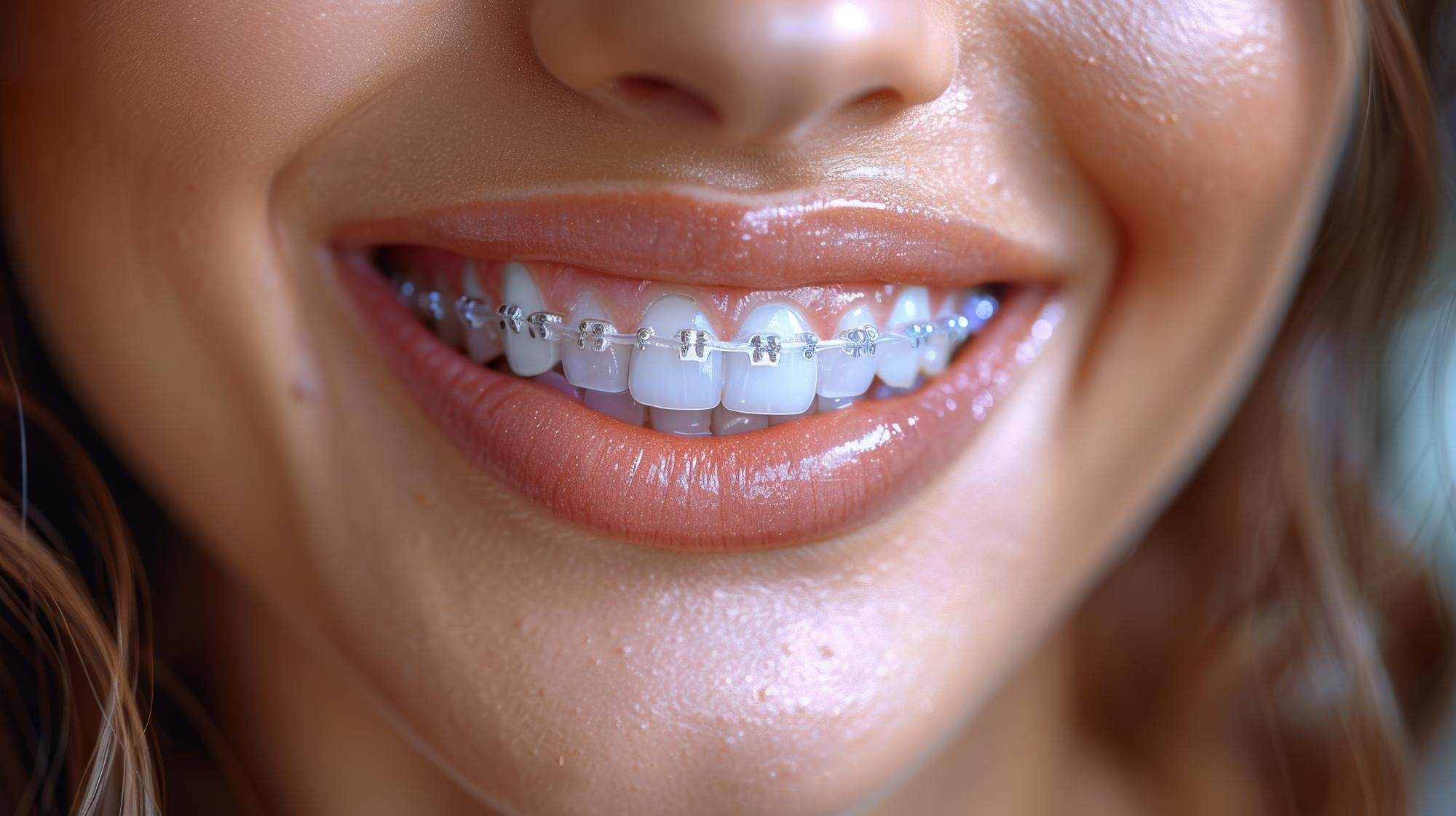
Orthodontics uses the body’s natural ability to remodel bone and tissue. By applying gentle, consistent pressure, orthodontic appliances gradually move teeth into better positions. These appliances include traditional metal braces, discreet clear or tooth-colored braces, and clear aligners — a popular modern option for teens and adults.
Common Bite Problems and Their Correction
Orthodontic treatment can correct various bite issues, often noticeable by age 7, such as:
- Underbite, crossbite, or excessive overbite: When upper and lower teeth don’t meet correctly
- Open bite: A gap remains between upper and lower teeth when the mouth is closed
- Crowding or spacing: Teeth are too close together or too far apart
Teeth move because they’re suspended in the jawbone by the periodontal ligament, which responds to gentle pressure. Braces use wires and brackets to apply this force, while clear aligners use semi-rigid plastic trays.
Types of Orthodontic Appliances
- Traditional Metal Braces: Small metal brackets attached to the front of teeth with a wire running through them; the most familiar option.
- Clear Braces: Made from ceramic or plastic, these brackets blend with your teeth, making them less visible.
- Lingual Braces: Similar to metal braces but bonded to the back (tongue side) of teeth, hidden from view.
- Clear Aligners: Removable, clear plastic trays that fit snugly over teeth and gradually move them into place.
Each option has its pros and cons, and your orthodontist will recommend the best choice based on your needs.
Orthodontics for Children and Adults
Childhood is ideal for orthodontics because natural growth can help guide teeth into proper alignment. Devices like palatal expanders can create more space in the upper jaw, often shortening treatment time and improving results.
However, orthodontic treatment can be successful at any age. About 20% of orthodontic patients today are adults. Advances like ceramic braces, clear aligners, and lingual braces make treatment less noticeable and more comfortable for grown-ups. Adults receive thorough exams to address any gum disease before treatment starts.
Retention and Post-Treatment Care
After orthodontic treatment, wearing a retainer as prescribed is crucial. Teeth tend to shift back toward their original positions, but a retainer holds them in place long enough for bone and ligaments to stabilize. Proper retainer use helps maintain your new smile for life.